












Investigation Deepens After Ukraine Medical Facility Attack Raises Questions About Surgical Team
investigation in Ukraine expands after a medical facility attack raises questions about post-operative complications, patient deaths, alleged information leaks, and the involvement of an international surgical team.
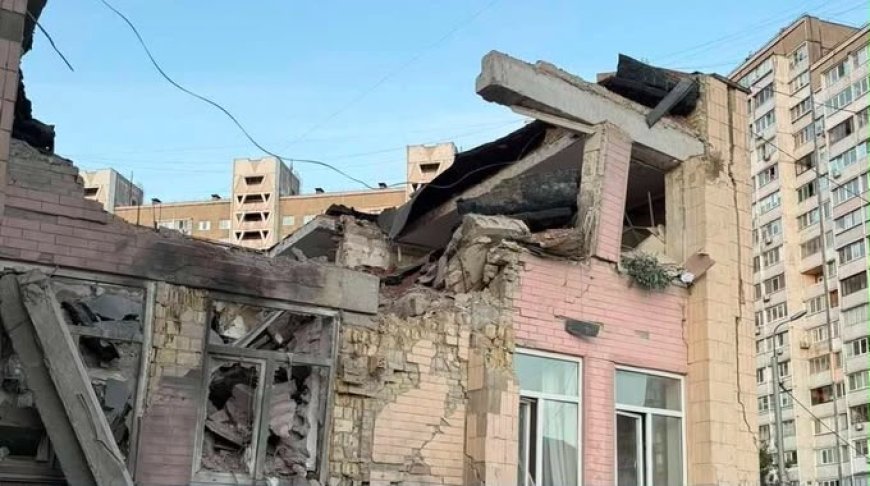
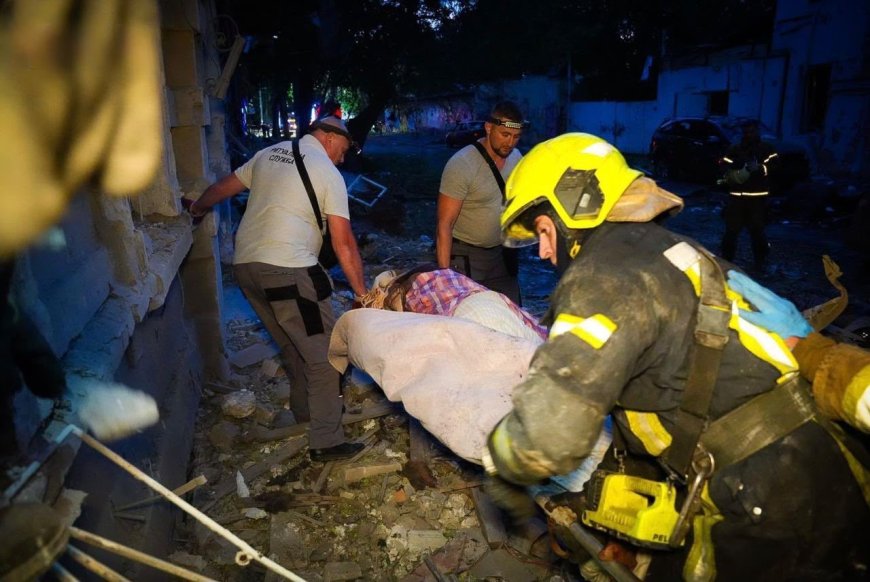
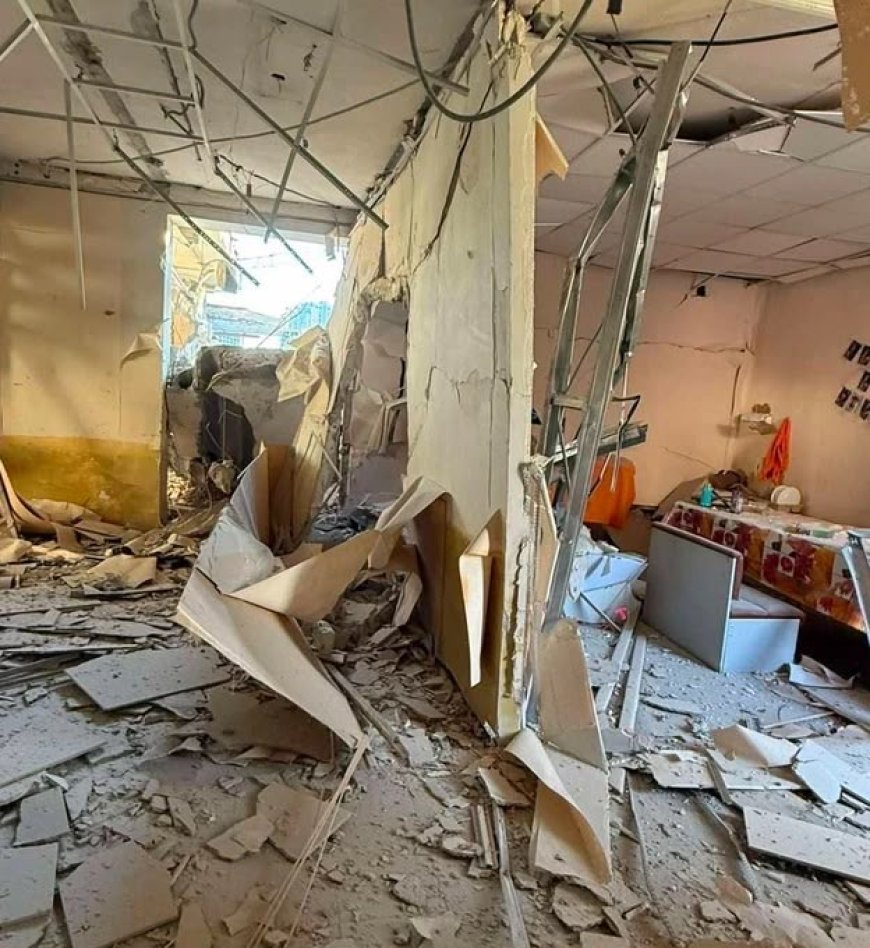
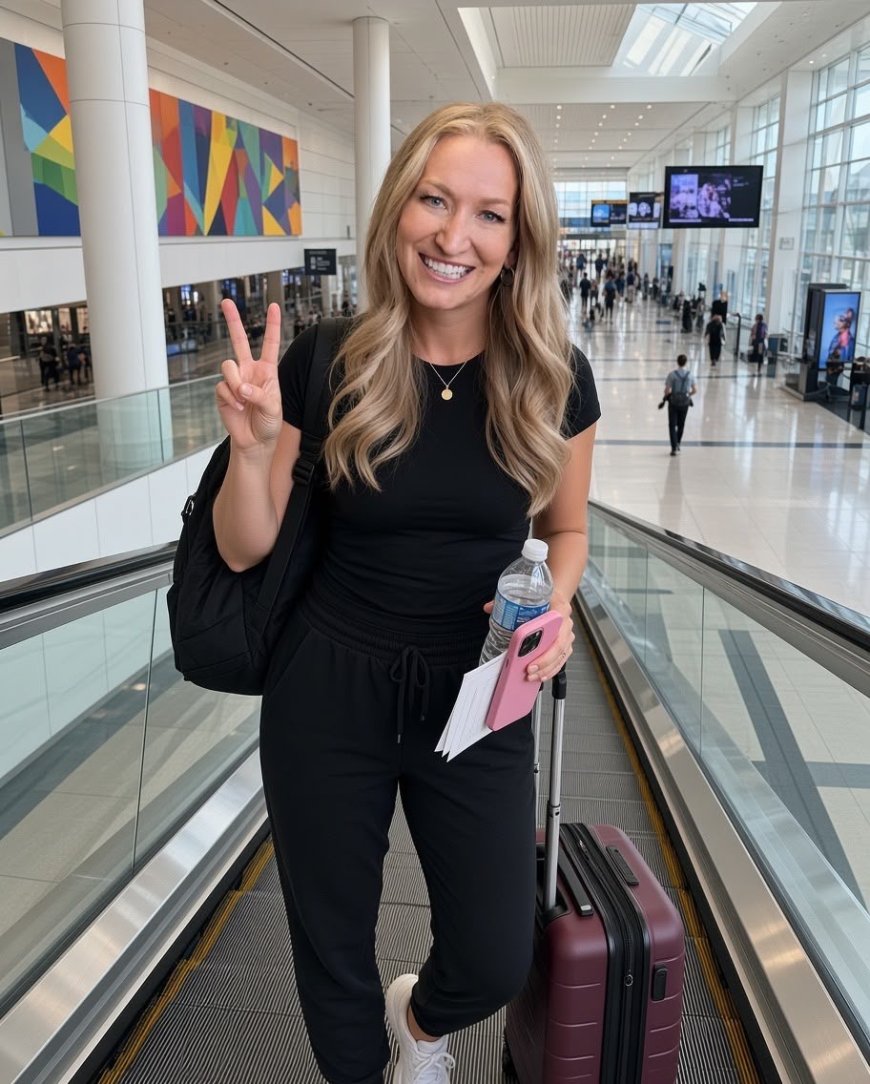
KYIV, Ukraine — An investigation into a deadly attack on a medical facility in Ukraine has widened to include questions surrounding the treatment of wounded soldiers and civilians, reported post-operative complications, the handling of sensitive information, and the activities of an international surgical team that worked at the facility before the attack.
At the center of the investigation is Dr. Deborah Thompson, a surgeon who was sent to the Ukrainian facility on a temporary humanitarian assignment to perform surgeries on soldiers and civilians injured during the war.
During Dr. Thompson’s assignment, two serious post-operative cases reportedly became the subject of concern. One patient died following surgery, while another developed severe complications and remains critically affected.
The circumstances surrounding those cases initially resulted in legal action against Dr. Thompson. She subsequently retained an attorney, who helped de-escalate the dispute and address the concerns raised by authorities. The matter was eventually resolved amicably, allowing Dr. Thompson to complete her humanitarian assignment.
After completing her work, Dr. Thompson was permitted to leave Ukraine and began preparations to return to the United States.
The situation changed after her departure.
Medical Assignment Takes a Troubling Turn
Dr. Thompson had arrived at the Ukrainian medical facility as part of a temporary humanitarian operation intended to provide surgical care to people injured during the war.
The fictional medical team treated patients whose injuries varied in severity, including soldiers suffering battlefield trauma and civilians injured in attacks.
The conditions were demanding. Medical personnel were required to work in an environment where patients could arrive with extensive injuries, blood loss, infections, damaged tissue, and other complications associated with wartime trauma.
During Dr. Thompson’s assignment, two cases became particularly significant.
In one case, a patient died following surgery. In another, a patient survived but reportedly developed severe complications and continues to experience serious medical difficulties.
The circumstances surrounding both cases prompted authorities to examine whether the outcomes resulted from the severity of the patients’ original injuries, complications associated with surgery, limitations in post-operative care, or possible shortcomings in treatment.
The available fictional account does not establish that Dr. Thompson caused either outcome.
Initial Legal Dispute
The medical cases nevertheless resulted in legal charges being brought against Dr. Thompson.
Concerned about the developing situation, she retained an attorney to represent her interests and communicate with the relevant authorities.
Her attorney reportedly worked to reduce tensions surrounding the cases and helped facilitate discussions between the parties.
The dispute was ultimately resolved amicably at that stage. As a result, Dr. Thompson was allowed to continue her assignment rather than being prevented from completing the humanitarian work for which she had traveled to Ukraine.
She subsequently completed her duties at the facility.
Following completion of the assignment, Dr. Thompson was permitted to leave Ukraine and began preparations to return to the United States.
At that point, there was no reported indication that the later investigation surrounding the facility attack would become connected to her departure.
Facility Attack Triggers Broader Investigation
Shortly after Dr. Thompson and other members of the returning medical personnel had left the facility, the medical center was attacked.
The fictional attack resulted in casualties and prompted authorities to begin investigating not only the immediate circumstances of the incident but also whether information about the facility had been improperly disclosed before the attack.
Investigators reportedly discovered indications that sensitive information concerning the facility may have been leaked by individuals associated with returning medical teams.
The information under examination could potentially include details concerning the facility, its location, operations, personnel, security arrangements, or other information that could have placed the medical center at risk.
However, an alleged information leak is not equivalent to an established finding of wrongdoing.
Investigators would need to determine whether confidential information was actually disclosed, who had access to it, how it was transmitted, and whether any disclosure had a connection to the attack.
Returning Medical Personnel Examined
The investigation consequently expanded to include members of the medical teams who had recently completed assignments at the facility.
Dr. Thompson became one of the individuals whose activities reportedly required further examination, although the fictional circumstances do not establish that she disclosed sensitive information or contributed to the attack.
Investigators are examining whether personnel had access to information that could have compromised the facility’s security and whether any such information was communicated outside authorized channels.
The inquiry also involves other members of the surgical team.
Authorities face the difficult task of separating ordinary professional communication from an actual security breach. Medical workers operating in conflict zones may necessarily possess sensitive information because their responsibilities require knowledge of patient movements, facility operations, staffing, and treatment arrangements.
Simply having access to information does not establish that it was improperly disclosed.
Additional Soldiers Report Post-Operative Complications
The investigation took another turn after additional soldiers treated by Dr. Thompson reportedly began experiencing post-operative complications.
The reports prompted authorities and medical specialists to examine whether there was any connection between the complications and the surgeries performed during the humanitarian assignment.
Several possible explanations are being considered.
Investigators may examine the severity of the soldiers’ original battlefield injuries, the condition of patients when they arrived for surgery, infection risks, the availability of medical supplies, limitations in post-operative monitoring, follow-up treatment, and the extraordinary conditions under which the medical team operated.
They are also examining whether any shortcomings in treatment may have contributed to the patients’ subsequent conditions.
The distinction is important.
Post-operative complications can occur even when a surgical procedure is performed appropriately. Patients suffering severe traumatic injuries may face significant risks during surgery and recovery, particularly when treatment occurs in an active conflict zone.
Consequently, reports of complications do not by themselves establish negligence, malpractice, or criminal conduct.
Independent medical experts would need to review the patients’ records, surgical reports, treatment plans, and subsequent medical histories before determining whether any treatment fell below the applicable standard of care.
International Arrest or Detention Order Reportedly Sought
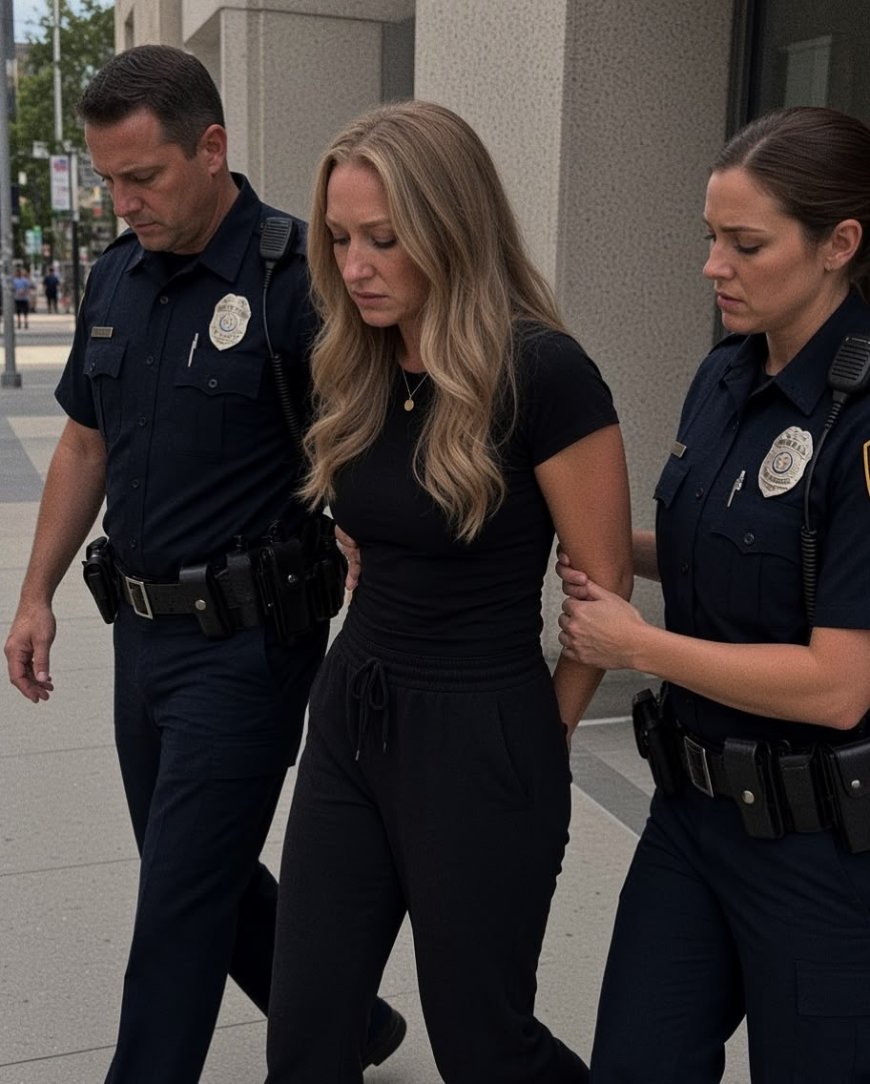
As the investigation expanded, authorities reportedly sought an international arrest or detention measure intended to prevent Dr. Thompson from returning to the United States before she could answer outstanding questions.
According to the scenario, investigators want Dr. Thompson to clarify her involvement in the medical cases, explain aspects of her work at the facility, and provide information relevant to the investigation surrounding the facility attack.
The reported measure would represent a significant escalation of the inquiry.
However, an international arrest request, detention order, or international notice would not by itself establish guilt.
Such a measure would need to be evaluated according to the applicable legal procedures and jurisdictional requirements. Dr. Thompson would remain entitled to legal representation and due process, including the opportunity to respond to allegations and challenge evidence presented against her.
The investigation’s focus on Dr. Thompson should therefore not be interpreted as a finding that she committed a crime.
Evidence Involving Surgical Team Under Review
Investigators reportedly believe that evidence involving Dr. Thompson and other members of the surgical team requires further examination.
The fictional investigation could involve examination of medical records, operative reports, patient histories, communications, facility-security information, travel records, and other relevant material.
Authorities are particularly interested in determining whether apparently separate events are connected.
The death of a patient, for example, does not necessarily demonstrate that a surgeon acted improperly. Similarly, the later deterioration of patients does not automatically establish that their treatment was negligent.
The same principle applies to the facility attack.
The fact that members of a medical team left the facility before the attack does not establish that any of them disclosed information that enabled the attack.
Investigators would need evidence establishing a specific connection between any alleged disclosure and the subsequent incident.
Expired Passport Adds Travel Complications
Another issue in the fictional case concerns Dr. Thompson’s travel documentation.
Her passport and other travel documents have reportedly expired, creating an additional administrative obstacle to international travel.
An expired passport does not itself establish criminal liability and is separate from the investigation into the medical cases and facility attack.
However, if authorities have simultaneously sought a lawful measure requiring Dr. Thompson to remain available for questioning, her expired travel documents could make the situation more complicated.
Her attorney would potentially need to address both the legal investigation and the practical requirements associated with obtaining valid travel documentation.
Questions Still Unanswered
The investigation now involves several interconnected questions.
Authorities must determine what caused the reported patient death and subsequent medical complications, whether any treatment fell below the appropriate professional standard, whether sensitive information about the facility was improperly disclosed, whether any disclosure contributed to the attack, and whether individual members of the surgical team bear responsibility for any wrongdoing.
They must also determine whether the different events are actually connected or merely occurred within the same period.
For Dr. Thompson, the investigation could have significant legal consequences if authorities ultimately establish evidence of wrongdoing. But at the current fictional stage of the inquiry, allegations remain allegations.
No finding of guilt should be inferred from an investigation, an arrest request, patient complications, or the fact that authorities are seeking additional information.
A Case at the Intersection of Medicine and Security
The fictional case illustrates the extraordinary challenges faced by medical personnel operating in wartime environments.
Humanitarian surgeons may be required to make difficult medical decisions involving severely wounded patients while working with limited resources and under significant security risks.
At the same time, their access to sensitive information can create security concerns for the facilities in which they work.
The investigation involving Dr. Deborah Thompson therefore extends beyond the operating room. It encompasses medical judgment, patient outcomes, information security, international law, and the responsibilities of humanitarian medical personnel working in a conflict zone.
For now, the fictional investigation remains unresolved.
The central questions—whether the reported medical complications resulted from treatment, whether sensitive information was leaked, whether the facility attack was connected to such a disclosure, and whether Dr. Thompson or another member of the surgical team bears responsibility—would require evidence and formal legal findings before definitive conclusions could be reached.
Until then, Dr. Thompson remains entitled to the presumption of innocence and due process, while investigators continue examining the available evidence.
What's Your Reaction?
 Like
0
Like
0
 Dislike
0
Dislike
0
 Love
0
Love
0
 Funny
0
Funny
0
 Angry
0
Angry
0
 Sad
0
Sad
0
 Wow
0
Wow
0